You may have seen in the news about prediction markets, the controversial new way to ‘bet’ in the United States.
These offer punters the chance to wager on an extensive array of ‘yes or no’ style questions, which go beyond just sport and also incorporate politics, science, culture and world events.
It’s likely that prediction markets will come to the UK soon – Matchbook has already revealed plans for their own launch in 2026, so new opportunities will become available to punters on these shores, too.
Opportunities, for example, like betting on global leaders to be forcibly removed from their positions…
One such punter bet on the former Venezuelan leader, Nicolas Maduro, to be out of a job by the end of January – after a jaw-dropping, Hollywood-esque capture of the dictator by American forces last week, that has come to pass.
So the individual, wagering at popular prediction site Polymarket, landed a $436,000 payday – around £322,000.
But now investigators are wondering whether the punter acted on insider information, given the very specific nature and timing of their bet.
Absolute Resolve
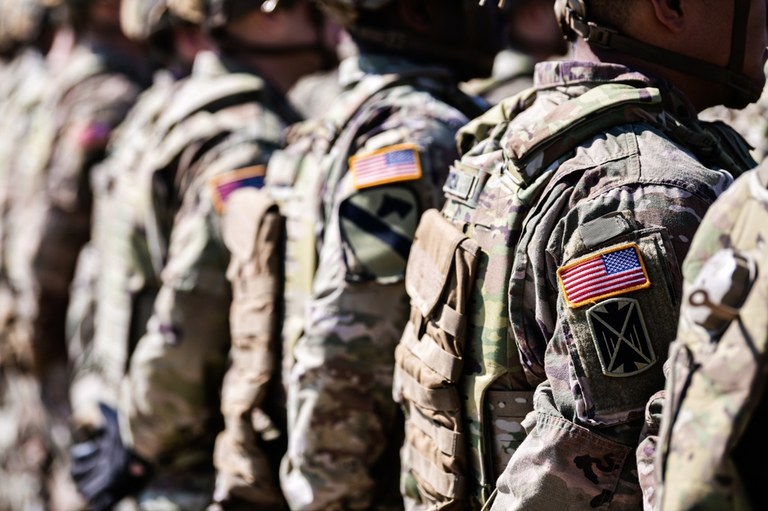
In a coup codenamed Operation Absolute Resolve, U.S. troops swooped on the home of the deposed Venezuelan president on Saturday, utilising land, air and sea to capture a leader that had climbed to number one on Donald Trump’s hitlist.
Many accusations have been thrown at Maduro over the years, but the one that has stuck – so-called ‘narco terrorism’ – will see the former president and his wife tried in a New York court.
And on Monday, Maduro pleaded not guilty to four charges of international drug trafficking.
Those are the major global headlines of the story, but there’s a curious betting slant here too – how did the Polymarket punter mentioned earlier on know that Trump was to initiate a coup on Venezuela when he did?
It was the very specific prediction – that Maduro would be deposed by the end of January – that has also drawn suspicion.
It has been reported that the individual took four positions of ‘yes’ at different times, with a total outlay of $32,537 (around £24,000).
Polymarket users can trace the movement of odds in percentage terms, with Maduro’s exit priced at just 6.5% on January 2.
But a wave of activity saw that rise to 11% shortly before midnight, and by the early hours of January 3 – when details of the capture emerged – the percentage had risen to beyond 50%.
Although Polymarket has so far refused to comment on the speculation, Dennis Kelleher – of industry analysts Better Markets – told the BBC that ‘this particular bet has all the hallmarks of a trade based on inside information.’
It’s thought that others had also benefitted financially from betting on the Venezuelan raid, and by Monday – coincidentally or otherwise – a Democrat congressman launched a bill that would make it illegal for governmental staff to bet on prediction markets if they are privy to ‘material, non-public information.’
Under American law, if it turns out that the individual was an official who ‘abused’ their prior knowledge of the rocket attack on Venezuela, they could face prosecution.
How Do Prediction Markets Work?

The popularity of prediction markets has grown exponentially in recent months, with Polymarket and main rival Kalshi taking a staggering $10 billion (£7.4 billion) in trades in November.
It will be interesting to see how the UK Gambling Commission regulates this emerging sector, with it now almost inevitable that major betting firms and new start-ups will look to get their slice of the pie.
Matchbook, who have long been in the shadow of Betfair as the pre-eminent betting exchange in the UK, are the first domestic brand to signal their intent. They see prediction markets as a way to cater to non-punters – ‘presenting many of the same markets in a way that is easier for people to understand,’ a spokesperson commented.
Prediction markets can appeal to the masses beyond simply sports, with options ranging from presidential elections right through to who will be the most played artist on Spotify in 2026.
These are simple ‘yes or no’ contracts, rather than bets, with punters paid out based upon the percentage points offered at the time of striking their predictions.
It’s a gateway into sports betting too perhaps, which is why many of the mainstream operators are expected to dip their toe in the water of prediction markets as well – DraftKings and FanDuel, two of the most popular bookmaking firms in America, have already launched their own version.
In an age of restrictive gambling regulation, could prediction markets be the new frontier for UK betting in 2026?